What 2026 Tax Changes Could Mean for Charitable Giving in San Luis Obispo County

Tax changes rarely feel local. But the decisions families make because of them are.

As federal tax provisions shift in 2026, including potential changes to standard deductions and charitable deduction rules, many individuals and families may revisit how they structure their philanthropy. For those who care about investing in San Luis Obispo County, this is an opportunity to plan intentionally.

Why this matters

Higher standard deductions have already meant fewer households itemize their charitable gifts. As tax provisions evolve again in 2026, donors may reconsider how and when they make contributions.

At the same time, tools like Qualified Charitable Distributions (QCDs) which allow individuals age 70½ and older to give directly from their IRA continue to offer tax-efficient ways to support the causes they care about.

Rather than waiting until year-end, early conversations can help align charitable goals with broader financial and estate planning.

Planning strategies to consider

While every situation is different, these changes may prompt conversations around:

  • Timing charitable gifts across multiple years
  • “Bunching” contributions into one tax year
  • Utilizing Qualified Charitable Distributions from an IRA
  • Establishing a donor advised fund or designated fund to maintain consistent annual support
  • Engaging family members in structured giving conversations

These strategies are not simply about tax deductions. They are about ensuring generosity continues to strengthen the nonprofits, students, and community initiatives that make San Luis Obispo County thrive.

A local partner in charitable planning

The Community Foundation San Luis Obispo County works alongside donors and professional advisors to structure charitable giving in ways that reflect personal values and community priorities.

Whether supporting scholarships, addressing housing and mental health needs, investing in the Women’s Legacy Fund, or responding to emerging challenges through our grantmaking, thoughtful charitable planning helps shape what happens here—in our backyard.

If you’d like to explore how potential 2026 tax changes may intersect with your charitable goals, our team is happy to talk through options.

The Community Foundation does not provide tax, legal or accounting advice. Please consult your professional advisors regarding your individual situation.


Community Foundation Announces New Board Members and 2026 Slate of Officers

The Community Foundation San Luis Obispo County is pleased to announce a new slate of Board officers and welcome two respected local leaders to its Board of Directors.

Community leaders Teresa J. Rhyne and John Stevens have joined the Board, bringing deep experience in philanthropy, public service, and community leadership at an important moment for the Foundation and the region. Their perspectives will help strengthen the Foundation’s work supporting donors, nonprofits, and community initiatives throughout San Luis Obispo County.

The Foundation also announced its new Board officers for the coming term:

  • Rick Williams, President

  • Pat Hosegood Martin, Vice President

  • Shelly Higginbotham, Secretary

  • Anita Robinson, Treasurer

Together, this leadership team will help guide the Foundation as it continues to expand its role as a trusted philanthropic partner—connecting generosity with local needs and long-term community solutions.

👉 Read the full press release to learn more about Teresa, John, and the Foundation’s board leadership.

UndocuSupport Fund Becomes One Community Fund

We’re sharing an important update about our work alongside immigrant communities in San Luis Obispo County. Our UndocuSupport Fund has evolved into One Community Fund: Fueling a Vibrant Immigrant Future, reflecting a renewed focus on flexible funding, community leadership, and coordinated support for organizations serving immigrant families across our county.

“What began as a grassroots community effort to support immigrant families during the COVID pandemic has grown into a trusted, countywide fund,” said Joel Diringer, co-founder of the fund. “One Community Fund reflects our shared responsibility to show up with coordination, stewardship, and partnership during this moment and beyond.”

The updated name underscores how the Foundation is strengthening its role as a connector, supporting organizations closest to the work and investing in tools like the Immigrant Services Guide to improve access to trusted resources.

Click here to read the full press release.

Giving Guide

Give Today. Transform Tomorrow. 

As 2025 draws to a close, this is a once-in-a-generation moment for generosity. With major tax changes coming in 2026, giving before December 31, 2025, offers both greater impact and stronger tax advantages. 

Why 2025 Is the Smart Year for Generosity 

Beginning in 2026, new federal rules will make charitable giving less advantageous: 

  • A 0.5% floor on charitable deductions means only donations above 0.5% of your AGI will count 
  • A 35% cap on deductions for higher income earners 
  • A larger standard deduction, meaning fewer households will itemize 

By giving in 2025, you lock in today’s favorable rules, helping your community and your bottom line. 

Every dollar given now strengthens San Luis Obispo County’s nonprofits as they face rising demand for food, housing, childcare, and health services. 

Key 2025 Giving Deadlines 

Gift Type  Deadline  What Counts as “Received”  Notes 
Cash / Checks  December 31, 2025  Postmarked by 12/31 or delivered in person by 3 PM  Checks postmarked by 12/31 count for 2025 even if received in January. 
Online Gifts  December 31, 2025 by 11:59 PM  Completed online transaction timestamp  Make gifts early to avoid end of year delays. 
Stock or Securities  December 31, 2025  When shares are received in the Foundation’s brokerage account  Initiate transfer by December 20 to ensure the transaction settles before year end. 
Real Estate / Property Transfers  December 20, 2025  When deed and documents are executed and recorded with the County Recorder  County offices close early for   holidays. Contact us by December 10 to begin. 
IRA Qualified Charitable Distributions (QCDs)  December 31, 2025  When funds leave your IRA custodian  Ask your IRA administrator to mail directly to the Foundation. 

Tip: The IRS recognizes the date your gift is received or transferred, not the date you authorize it. Act early, especially for stock and property gifts. 

Giving Strategies That Make the Most of 2025 

Donor Advised Funds (DAFs) 

Contribute now, take the 2025 deduction, and decide later which nonprofits to support. This “bunching” approach helps you exceed the 0.5% floor coming next year. 

Gifts of Appreciated Stock or Property 

With stock markets performing strongly, this may be one of the most advantageous times to give appreciated securities. Donating stock that has grown in value allows you to tap into higher market values for nonprofits while avoiding capital gains tax and still claiming a charitable deduction for the full fair market value. 

Donating securities or real estate can eliminate capital gains tax and provide a deduction for fair market value. Our Real Estate Foundation handles inspections, sales, and transfers so your gift is simple and effective. 

IRA Qualified Charitable Distributions (QCDs) 

If you are age 70½ or older, you can make a QCD of up to $105,000 per year (2025 limit) directly from your IRA to a qualified 501(c)(3) charity such as The Community Foundation San Luis Obispo County. We make giving easy with your IRA/QCD. You can make one gift to CFSLOCO and recommend it go toward a specific cause or fund or give to multiple nonprofits through us. 

A QCD allows you to: 

  • Transfer funds tax free and lower your taxable income
  • Satisfy all or part of your Required Minimum Distribution (RMD) once you reach age 73 
  • Reduce future RMD amounts by lowering your IRA balance now 

Tip: You do not have to wait until RMD age 73 to use this strategy. Many donors begin at 70½ to make tax efficient gifts early, reduce future RMDs, and support causes they care about while they are still working or delaying Social Security. 

Give Where It’s Needed Most: Together for SLO County 

If giving feels overwhelming right now, you are not alone. The need across San Luis Obispo County is immense, and it can be hard to know where to start. 

Our Together for SLO County initiative was created to support organizations impacted by severe budget cuts providing critical services like healthcare, childcare, housing, and food for local families, individuals and seniors.  

A gift to Together for SLO County supports immediate relief and long-term support. Organizations awarded will also receive technical assistance customized to their needs including strategic planning, financial planning, 1:1 coaching and consulting and more. Your contribution allows the Foundation to direct funds where they are most urgently needed, keeping food programs open, childcare available, and vital health and housing services accessible for all. 

When you give to Together for SLO County, you can give with confidence, knowing your generosity reaches the people and programs that need it most. Grants will be awarded in December.  

Plan Ahead: A Simple Timeline 

Month  Action 
November  Review income and deductions with your tax advisor. Decide on cash, stock, or property gifts. 
By December 10  Contact our team if planning a real estate or complex asset gift. 
By December 20  Initiate QCDs, stock transfers, or complete property deeds
By December 27  Confirm securities received in the Foundation brokerage. 
By December 31  Send or postmark checks or make online gifts 

 Why Partner with The Community Foundation 

When you give through The Community Foundation San Luis Obispo County, you: 

  • Maximize impact locally with funds that support vetted nonprofits and critical community needs 
  • Simplify giving as we handle processing, tax receipts, and complex gifts 
  • Create legacy by establishing a fund, scholarship, or estate plan that endures 

Take the Next Step 

Contact Us Early
Our Donor Services team will help structure the best approach for your 2025 gift.
805 543 2323 donorservices@cfsloco.org  

Remember: The generosity you share today helps ensure a thriving, inclusive, and equitable future for San Luis Obispo County. 

Important Note for Donor Advised Fund Holders 

All grant recommendations from Donor Advised Funds must be submitted by December 23, 2025, to ensure nonprofits receive funds before year end.
Requests received after that date will be processed in January 2026. 

Submitting your recommendations early helps the Foundation complete reviews, send payments promptly, and ensure your year-end generosity reaches the community in time to make a difference. 

Give Now. Do More Good. 

Act before December 31, 2025 to lock in today’s benefits and keep our community strong for years to come. 
Give Now, Do More Good: Why 2025 Is the Smart Year for Generosity

By The Community Foundation San Luis Obispo County
October 2025

With the federal “ One Big Beautiful Bill” set to reshape the tax landscape in 2026, this year presents a unique opportunity for donors to maximize their charitable impact. The coming changes, while aimed at simplifying the tax code, are expected to reduce or limit the deductions many donors currently enjoy.

That means gifts made before December 31, 2025, could go further, provide stronger tax benefits, and give you more control over how and when your philanthropy supports the causes you care about.

What’s Changing in 2026

While details are still being finalized, several key provisions in the new legislation will likely reduce the tax efficiency of charitable giving for many households:

  • A new 0.5% floor on charitable deductions: only donations above 0.5% of adjusted gross income (AGI) will be deductible.
  • Deduction caps for high earners, limiting the value of charitable write-offs to roughly 35¢ on the dollar.
  • A larger standard deduction that could make itemizing and therefore deducting gifts less common for many families.

In short, next year’s gifts may not stretch as far from a tax perspective.

 Why Giving Now Matters

Here’s why your 2025 giving can make a bigger difference for both you and the community.

  1. Lock In Today’s Friendlier Tax Rules

Right now, your charitable deduction is still fully available up to 60% of your AGI for cash gifts. Next year, those limits tighten. Giving now lets you maximize today’s deduction rules while they last.

  1. Reduce Taxes While Supporting What You Love

If you’re facing a higher-income year, maybe from a business sale, bonus, or required IRA distribution, charitable contributions this year can help offset taxable income while fueling local impact across San Luis Obispo County.

  1. Bundle Gifts for Greater Impact – The Advantage of a Donor-Advised Fund:

The new “floor” means smaller annual gifts may no longer qualify for a deduction next year. Consider “bunching” several years’ worth of giving into one larger 2025 gift — either directly to a fund or into a Donor-Advised Fund (DAF) at The Community Foundation before less generous charitable giving rules take effect in 2026.

You’ll get the full deduction this year and can recommend grants to your favorite nonprofits on your own timeline.

  1. Simplify Future Giving

By giving now, you can lock in the deduction and avoid the uncertainty of new tax interpretations coming in 2026. Plus, you’ll have your giving dollars ready to deploy exactly when local needs arise.

Real Impact, Close to Home

Every dollar given through The Community Foundation supports programs that strengthen San Luis Obispo County, from housing and childcare to mental health and the arts.

Whether you give to an existing fund or start your own, your generosity fuels local resilience and keeps vital programs running strong, especially as public funding continues to shrink.

Ways to Act Before Year-End

  • Make a qualified charitable distribution (QCD) directly from your IRA if you’re 73 or older; it counts toward your required minimum distribution and isn’t taxable.
  • Give appreciated stock or real estate to avoid capital gains and take an immediate income tax deduction in the amount of the full fair market value.
  • Open or add to a Donor-Advised Fund (DAF) to lock in the deduction now and grant later.
  • Support Together for SLO County: A Critical Response Fund — your 2025 gift will help sustain essential services like housing, childcare, and healthcare right now while allowing you to capture the most favorable charitable tax benefits before next year’s law changes.

 Don’t Wait: The Window Closes December 31

When the One Big Beautiful Bill goes into effect, many of these benefits will change. Giving before year-end lets you maximize your charitable impact and your tax efficiency — a true win-win for you and your community.

“Smart, early giving lets donors secure today’s advantages while supporting tomorrow’s needs,” says Christine Dawson, CEO of The Community Foundation San Luis Obispo County. “Every gift made now ensures that our region’s nonprofits can keep serving those who rely on them most.”

Here’s an example from long-time Arroyo Grande residents Tom and Elena demonstrating the benefits of giving in 2025 vs. 2026.

Each year, Tom and Elena typically give about $50,000 to causes they love, primarily supporting housing and childcare initiatives. Their advisor helped them model what would happen if they gave this year (2025) versus next year (2026).

Scenario 1: Giving in 2025 (Before the One Big Beautiful Bill)

  • Gift Amount: $50,000
  • Top Federal Tax Bracket: 37%
  • Deduction Allowed: Full 100% of gift (up to 60% of AGI for cash)
  • Tax Savings: $18,500
  • Net Cost of Gift (after tax savings): $31,500
  • Community Benefit: Immediate funding for childcare and mental health programs through Together for SLO County: A Critical Response Fund

“We saw our gift go right to work this year,” said Elena. “And we kept more in tax savings than we would next year. It’s a win-win.”

 Scenario 2: Waiting Until 2026 (After the One Big Beautiful Bill)

  • Gift Amount: $50,000
  • New 0.5% floor on deductions means part of their gift doesn’t qualify.
  • High-income deduction cap: only 35¢ of tax benefit per dollar.
  • Effective Deduction Value: $17,500
  • Tax Savings: $17,500 × 35% = $6,125
  • Net Cost of Gift: $43,875
  • Community Impact: Delayed; nonprofits face deeper cuts before funding arrives.

“If we’d waited, we would’ve lost over $12,000 in tax benefit and the nonprofits we care about would have waited, too,” said Tom.

 The Bottom Line

By giving in 2025, Elena and Tom:

  • Saved roughly $12,000 more in taxes than if they had waited.
  • Provided immediate help for housing, childcare, and healthcare programs under strain.
  • Locked in today’s favorable rules before new limits take effect in 2026.

“We didn’t want to miss the chance to make a bigger impact both for our community and for our family’s finances,” Tom said. “It feels good to know we acted while it mattered most.”

At The Community Foundation San Luis Obispo County, we believe generosity is both purposeful and powerful. With new tax laws taking effect next year, 2025 is the smart time to give, aligning your philanthropy with both your values and your financial goals.

By giving now, you can lock in today’s tax advantages, strengthen the causes you care about, and help keep San Luis Obispo County strong.

Your generosity today builds a stronger San Luis Obispo County tomorrow.

Contact The Community Foundation team to learn more at 805-543-2323 or donorservices@cfsloco.org.

Community Foundation San Luis Obispo County Names Christine Dawson as New CEO

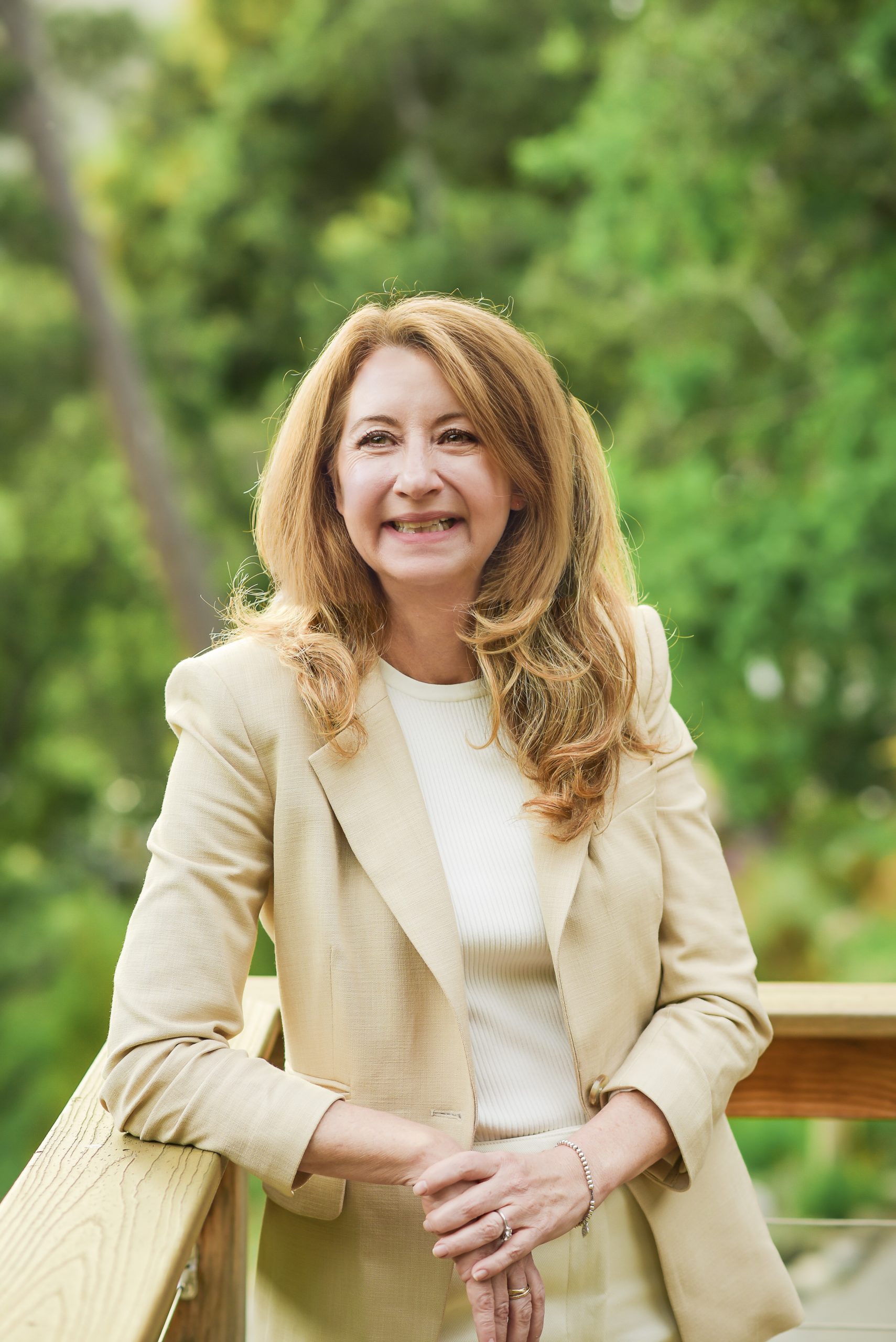
The Community Foundation San Luis Obispo County (CFSLOCO) is pleased to announce Christine Dawson, CFRE, as its new Chief Executive Officer, effective June 30, 2025. She succeeds Heidi McPherson, who led the Foundation from 2014 until her departure in February.

Dawson brings over 25 years of nonprofit leadership experience and a deep understanding of strategic philanthropy. Most recently, she served as Senior Vice President of Philanthropic Services at the Community Foundation for Monterey County, where she led donor services and planned giving efforts. Under her leadership, the foundation’s assets grew from $130 million to more than $420 million, with annual grantmaking reaching $45 million.

“As we look ahead, the Board is confident that Christine’s leadership will carry the Foundation forward with strength and vision,” said Kath Tompkins, CFSLOCO Board President. “She brings a deep understanding of regional philanthropy and a strong commitment to collaboration, which will help the Foundation continue to grow and respond to evolving community needs.”

At the Community Foundation San Luis Obispo County, Dawson will focus on expanding the Foundation’s reach, strengthening cross-sector partnerships, and fostering innovative approaches to community giving. She is passionate about inspiring generosity and helping donors align their charitable goals with long-term, local impact.

“I’m honored to join the Community Foundation and build on Heidi McPherson’s strong legacy,” said Dawson. “I look forward to working alongside the Board, staff, donors, and community partners to help shape a vibrant and resilient future for San Luis Obispo County.”

Christine is a Certified Fund Raising Executive (CFRE) with decades of experience in nonprofit leadership and community-based philanthropy. She has served on numerous nonprofit and professional boards and is known for her strategic insight and collaborative approach. A Central Coast resident, Christine lives with her husband Mark and their blended family of four daughters. She enjoys engaging with the community she serves—whether it’s hiking local trails, paddleboarding, skiing, or spending quality time with family and friends.

Founded in 1998, The Community Foundation San Luis Obispo County is a resource for local charitable giving and a catalyst for positive change. With more than $87 million in assets under management, the Foundation has awarded over $74 million in grants and scholarships to local nonprofits, supporting causes such as the arts, education, the environment, health care, and social services. To learn more, visit cfsloco.tmdcreative.site. For questions or to connect, contact Christine at christine@cfsloco.org.

Remembering Paul Wolff

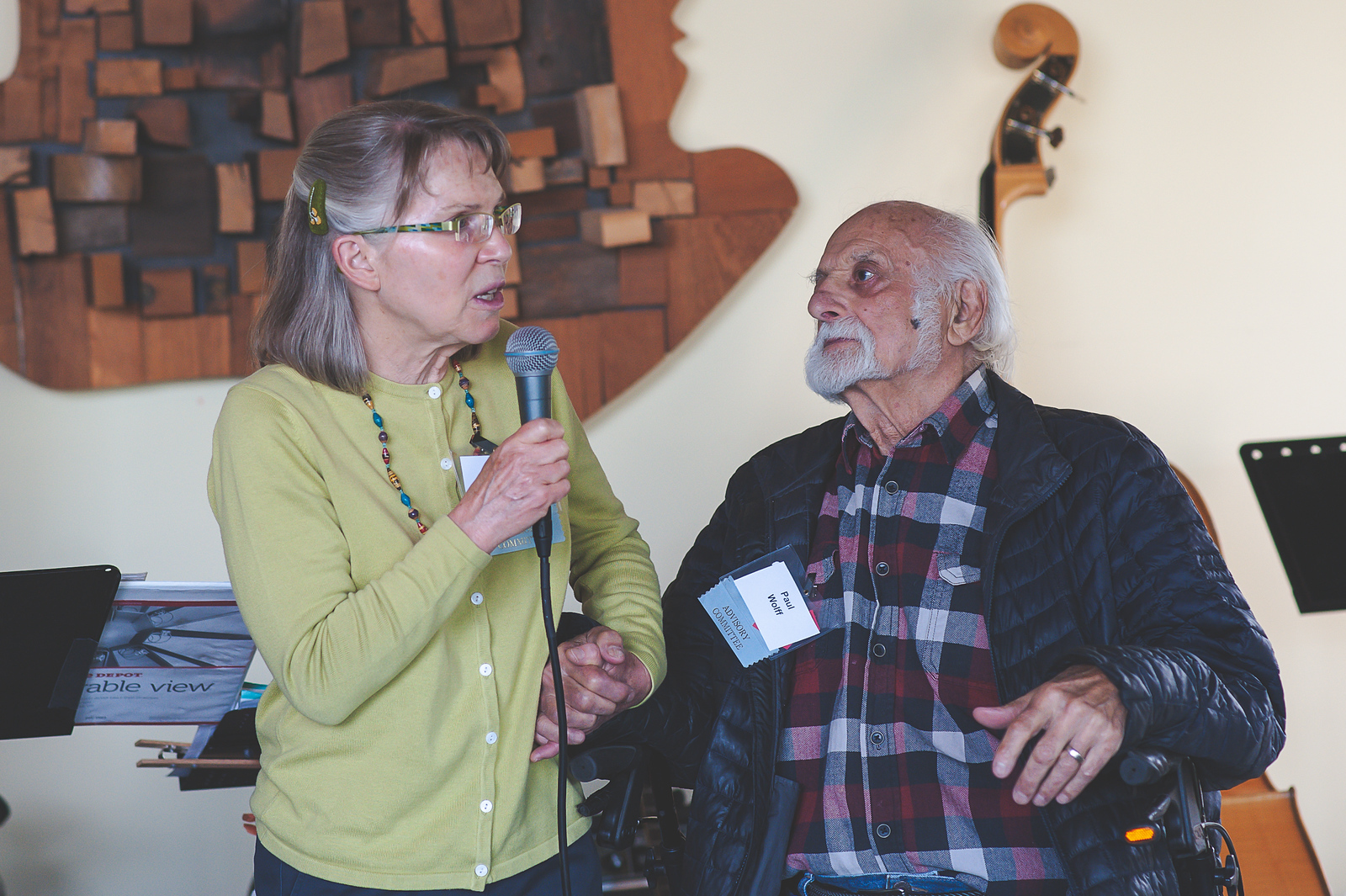
Our community has lost a remarkable citizen and a guiding light for humankind. Retired Cal Poly architecture professor Paul Wolff died peacefully at home, surrounded by his family, on April 17.

Having experienced the worst of humanity as a Jewish child in Nazi Germany, Paul became an example of a life well-lived and to the highest purpose. He dedicated his life to making the world a better place. We, as members and friends of San Luis Obispo Access for All, a field of interest fund held by The Community Foundation San Luis Obispo County, would like to pay tribute to Paul Wolff’s legacy to our community.

Shortly after beginning his teaching career at Cal Poly in 1971, Paul developed a cutting- edge course focusing on the concept of Universal Design. Universal Design is the creation of built environments that are accessible and usable by all people regardless of stage in life or disability. Paul was truly a visionary who cared deeply and worked tirelessly to improve the lives of others.

Among his many community contributions, Paul worked with the City of San Luis Obispo to create Marvin Gardens, an apartment complex incorporating Universal Design concepts. In 2000, an informal group of disability advocates honored Paul, in a celebration at Marvin Gardens, with the inaugural Paul Wolff Accessibility Advocacy Award, aka PWAAA.

This marked the beginning of more than a decade of annual PWAAA celebrations, honoring other disability advocates in our community. Over the years, the annual PWAAA celebrations transitioned to an annual grant-making program. Through the Access for All Fund, local nonprofits have received small grants to facilitate the implementation of a variety of community accessibility projects.

After Paul retired from teaching at Cal Poly in 1993, he generously donated his time and talents to numerous accessibility projects. No matter how busy he was, he always made time to help others. He was incredibly thoughtful, generous, wise and ready to apply his Universal Design expertise to help newly disabled residents, nonprofits, and businesses improve accessibility in private homes and in public spaces.

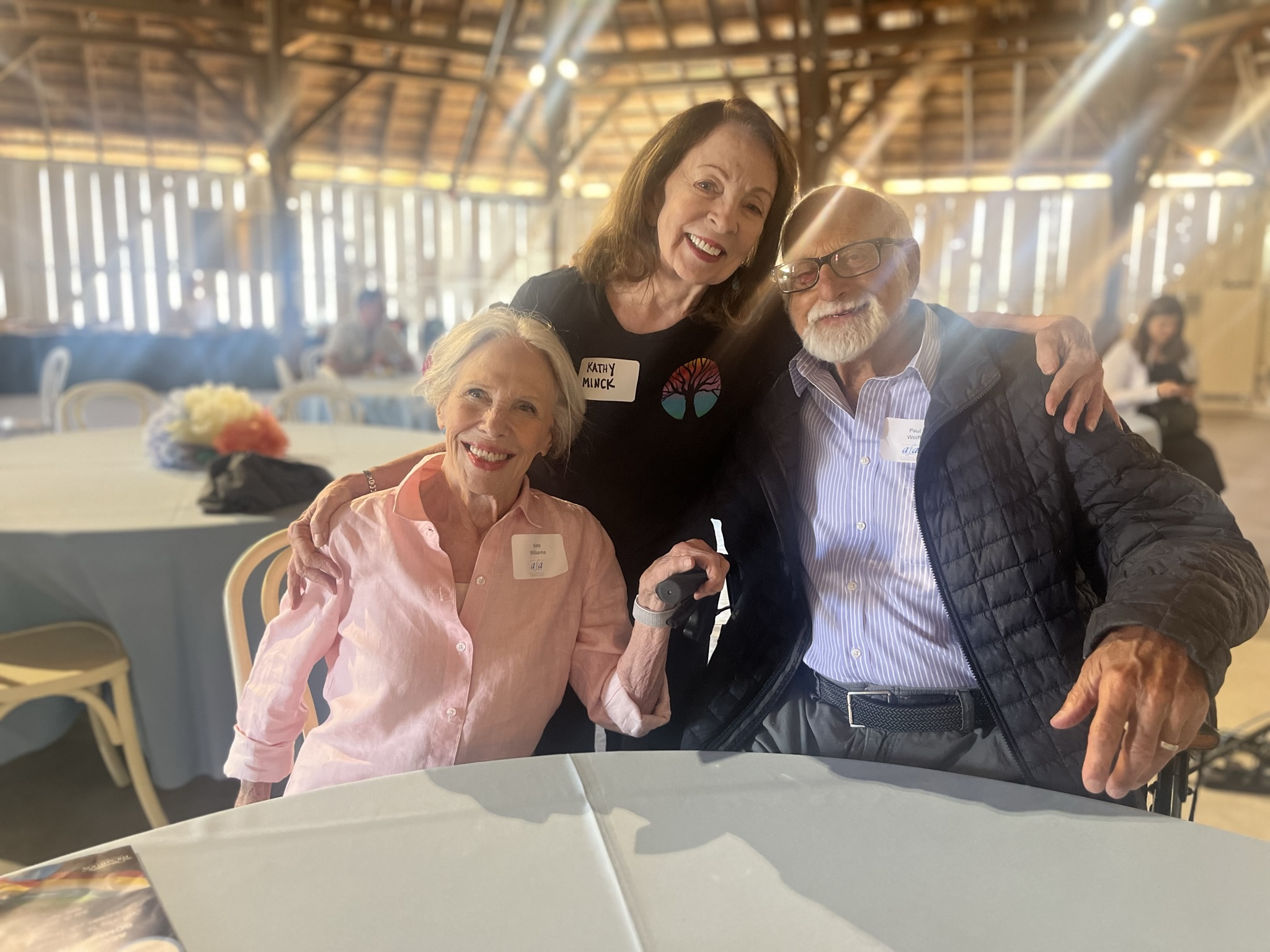
Later in life, Paul experienced vision loss. Through SLO Village Movement, a local nonprofit, Paul met his friend Kate Williams who inspired him and taught him so much about living life to the fullest with a disability.

In addition to his incredible contributions to local accessibility projects, Paul dedicated his life to educating others about the dangers of fascism. He welcomed opportunities to speak with high school classes, assemblies, and community group about the Holocaust. He experienced firsthand what it means to lose the freedoms we take for granted. Democracy is fragile; hate, ignorance and greed are powerful forces tearing our world apart.

Paul and his late wife Marion were both extraordinary human beings and antidotes to those negative forces. How lucky we’ve been to have them as part of our community. Rest in peace. Your legacy lives on.

Paul has been a beloved mentor, friend and inspiration to me (and Bryan) for 35+ years.

With gratitude,
Beverly Gingg
Shared on behalf of the Access for All Committee and friends

The Fabric of SLO County: Understanding the diversity and contributions of our immigrant community

Recent community disasters such as COVID, flooding, fires and heat waves have heightened awareness in the community of the diversity of San Luis Obispo County’s population. Heightened discussions over immigration policy and enforcement have also increased the need to learn more about the complexities of our immigrant population. This is primarily a report on immigrants in our County, not the immigration system or issues at the border.

Without knowing who our neighbors are, we cannot have a welcoming, healthy and prosperous community. With immigrants underrepresented in official surveys like the U.S. Census, essential data on this community’s characteristics and needs remain limited, making it difficult to address their specific challenges effectively.

This study, released in January 2025, consolidates data from various sources to support policymakers, nonprofits, and other local organizations in understanding the composition, challenges, and needs of the immigrant community in San Luis Obispo County. Key issues covered include housing, healthcare, legal support, education, economic stability, and family services.

A condensed summary of the report can be accessed here.

The Spanish version of this summary report can also be accessed here.

Happy 95th Birthday, Paul Wolff!

We celebrate our dear friend Paul Wolff as he turns 95 on December 27, 2024. His life has been full of adventure, challenges, and incredible purpose. Please read along and enjoy a small blip of his very full and meaningful life.

Paul Wolff, Professor Emeritus of Architecture at Cal Poly State University, has an incredible life story. Paul was born in 1929 in Hamburg, Germany to Jewish parents. After his father’s arrest during Kristallnacht in 1938,  young Paul and his family fled Nazi occupation to London, England in 1939. Fortunately, as the political climate grew more volatile, they were able to secure 30-day transatlantic crossing and landed in San Francisco on August 1, 1939 – only 30 days before the start of WWII in Europe.

In the 1950’s, Paul was drafted into the US Army and served in Europe. After his service, the GI Bill of Rights enabled him to enroll in the graduate program of architectural studies at The Academy of Fine Arts in Munich. After graduation, he began his architecture career working with renowned architect Richard J. Neutra in Los Angeles and later started his own architecture practice in Palo Alto. In 1971, Paul began teaching Architecture at Cal Poly State University. It was during this time at Cal Poly that he began to recognize the need for accessibility in architectural design, partly due to the effects of his sister’s advancing MS diagnosis.

After earning his master’s degree in Environmental Psychology from the University of Surrey in Guilford, England, Paul retuned to Cal Poly where he introduced Environmental Psychology and Universal Design into the School of Architecture’s curriculum. In July of 1990, architectural accessibility finally became a national requirement as the American Disability Act (ADA) was passed into law. After 23 years at Cal Poly, Paul retired to focus on community involvement. He and his wife Marion, who escaped from Vienna as part of the Kindertransport, continue to talk to students and groups, sharing the stories of escapes from Nazi Germany, and exploring the impact of the current violence we see in our society today, and its relationship to the evils of prejudices and discrimination. Paul worked with local activists to start Access for All, which promotes accessibility, supports advocacy work, and provides connection through The Community Foundation San Luis Obispo County. He currently serves on the Access for All advisory committee

Next In Our Backyard Event is April 24, 2024

The Community Foundation aims to be a catalyst and connector for positive change in the community. We provide opportunities for donors to understand the community’s needs and experience the impact of their philanthropy. We review data, research trends and collect feedback from our nonprofit partners.  Our donor education series, affectionately called “In Our Backyard,” offers you a chance to expand your knowledge and awareness about the happenings in your local community. You’ll hear from industry experts in a panel forum and engage in a lively Q&A with the audience. We design topics around various issues, including the arts and culture, environment, vulnerable populations, health and human services, education, and more.

The Spring 2024 topics include Mental Health and Families Under Pressure. The Fall sessions will be announced soon.

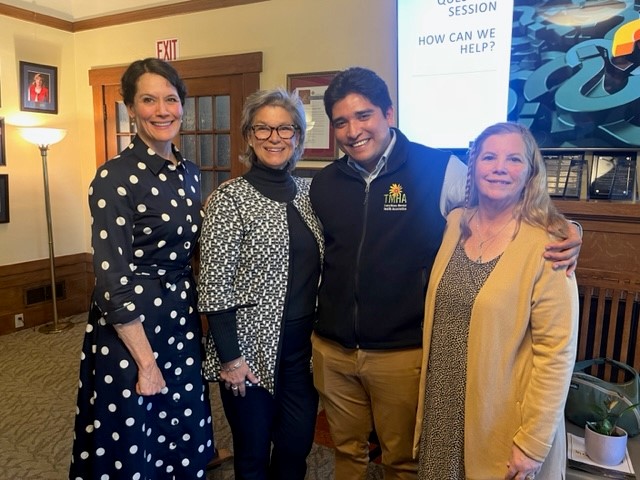
Event Recap: We held the first In Our Backyard event in March, focusing on the crucial topic of mental health. It aimed to elevate our understanding of adults, children, and their families living with a mental health diagnosis. We heard from experts Jill Bolster-White and Roberto Cueva from the Transitions-Mental Health Association, as well as Kamela Proulx from the Atascadero High School Wellness Center. We learned about the increased mental health needs of youth in our community, the breadth of programming now available to help address the increased needs, and where the gaps in services exist. We were encouraged to learn of the Central Coast Hotline, our community’s only 24/7, 365-day free, confidential mental health guidance, crisis, and suicide prevention line. Please consider adding the hotline to your phone and sharing it with others at 1-800-783-0607.

Additional Mental Health Information:

The California Healthy Kids Survey is an excellent resource for data on student mental health. You can access their Data Dashboard by clicking here.

Connect With Us
Heidi H. McPherson Chief Executive Officer (805) 543-2323